
Obesity is a complex, chronic disease characterized by an excessive amount of body fat. It is far more than a cosmetic concern; it is a medical condition that increases the risk of many other health problems and chronic diseases.
In Puerto Rico, obesity is a major public health challenge, with statistics often showing higher prevalence rates than many states in the U.S. mainland.
1. Defining Obesity
Obesity is typically diagnosed using the Body Mass Index (BMI), which calculates a person’s weight in relation to their height.
-
Overweight: BMI of 25.0 to 29.9.
-
Obesity: BMI of 30.0 or higher.
Note: While BMI is a useful screening tool, it does not directly measure body fat or distribution, so medical professionals often use additional assessments like waist circumference measurement.
2. Health Risks Associated with Obesity
Carrying excess weight can lead to serious, life-threatening health complications, including:
-
Type 2 Diabetes: Obesity is the primary risk factor for insulin resistance.
-
Cardiovascular Disease: Higher risks of hypertension (high blood pressure), heart attack, and stroke.
-
Joint Problems: Excess weight puts significant strain on the knees and hips (osteoarthritis)
-
Sleep Apnea: Fat deposits around the neck can obstruct breathing during sleep.
-
Mental Health: Strong correlations exist between obesity and depression, anxiety, and low self-esteem.
3. Causes and Contributing Factors
Obesity is rarely caused by a single factor. It is usually a combination of:
-
Genetics: Your genes may affect how your body stores and distributes fat.
-
Lifestyle: Diets high in processed foods, sugar-sweetened beverages, and sedentary behavior (lack of exercise).
-
Socioeconomic Factors: Limited access to affordable healthy foods (“food deserts”) or safe places to exercise.
-
Metabolism: Hormonal imbalances can affect appetite and energy expenditure.
4. Prevention and Management
The most effective way to address obesity is through a sustainable, long-term approach:
-
Nutrition: Shifting toward whole foods, fiber-rich vegetables, and lean proteins.
-
Physical Activity: The CDC recommends at least 150 minutes of moderate-intensity activity per week.
-
Medical Support: In some cases, medical interventions such as prescription weight-loss medications or bariatric surgery are necessary.
-
Complementary Therapies: Treatments like vitamin infusions (IV therapy) can support energy levels and metabolic health during a weight management journey.
Obesity in Puerto Rico: A Local Perspective
In Puerto Rico, the culinary tradition—while delicious—is often high in carbohydrates and fried foods. Public health initiatives on the island currently focus on:
-
Promoting the consumption of local, fresh produce.
-
Increasing physical activity in schools.
-
Managing chronic conditions like “Diabesidad” (the combination of diabetes and obesity).

IMC-BMI
A person with a BMI of 30 or higher is considered obese, and a person with a BMI of 25 or higher is considered overweight. Overweight and obesity are risk factors for numerous chronic diseases, including diabetes, cardiovascular diseases, and cancer.
If you are obese, consult with your doctor about the alternatives available to help you reach your ideal weight.
Morbid Obesity
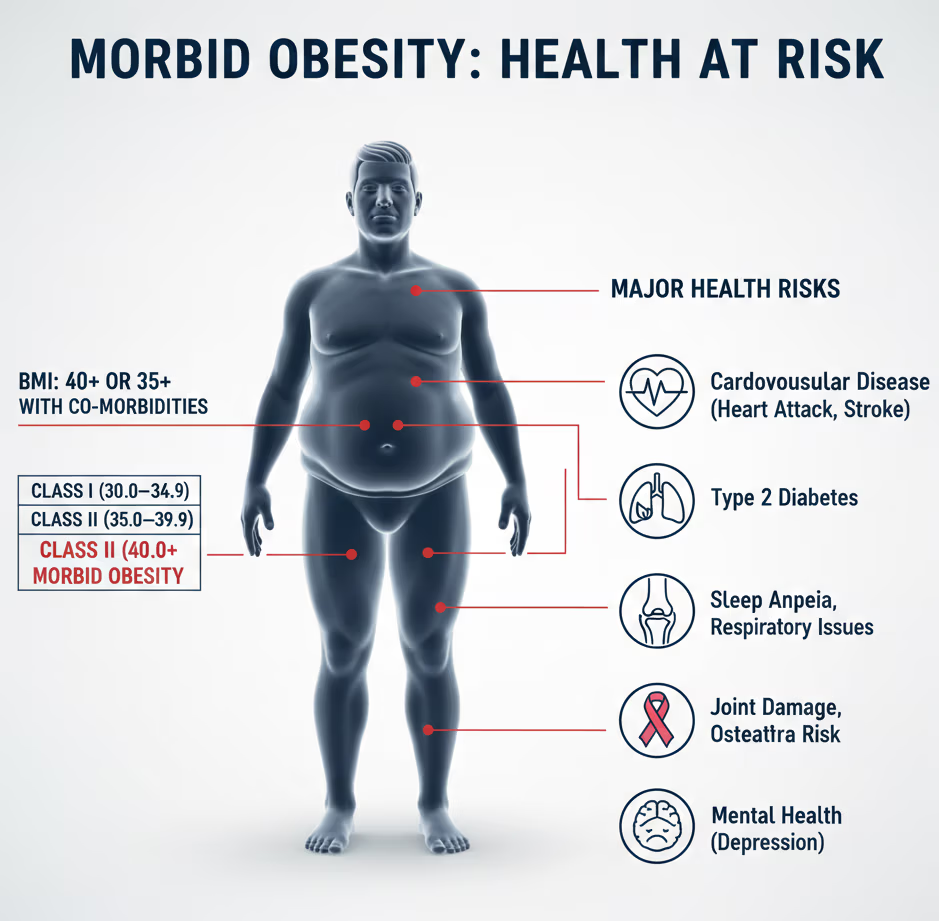
Morbid obesity (also known as Class III obesity) is a serious health condition that occurs when an individual has an extreme amount of excess body fat, significantly increasing the risk of life-threatening complications.
In clinical settings, it is defined by the following criteria:
-
A Body Mass Index (BMI) of 40 or higher.
-
A BMI of 35 or higher combined with obesity-related health conditions (comorbidities) such as Type 2 diabetes or high blood pressure.
-
Being more than 100 pounds overweight.
Health Risks and Complications
Morbid obesity is not just a weight issue; it is a systemic disease that affects every organ in the body. The “morbid” designation refers to the high likelihood of developing severe medical conditions:
-
Metabolic Syndrome: A cluster of conditions including high blood sugar, high blood pressure, and abnormal cholesterol levels.
-
Cardiovascular Strain: The heart must work significantly harder to pump blood, leading to congestive heart failure and coronary artery disease.
-
Respiratory Issues: Pickwickian syndrome (obesity hypoventilation) and severe obstructive sleep apnea.
-
Mobility and Joint Health: Extreme wear and tear on the weight-bearing joints (knees and hips), often leading to chronic pain and disability.
-
Increased Cancer Risk: Higher incidence of breast, colon, and kidney cancers.
Causes and Challenges
It is a misconception that morbid obesity is solely the result of “willpower.” Modern medicine recognizes several complex drivers:
-
Biology & Genetics: Some individuals have a higher “set point” or genetic predisposition to store fat more efficiently.
-
Hormonal Imbalance: Resistance to leptin (the hormone that signals fullness) makes it physically difficult to stop eating.
-
Environmental Factors: The availability of ultra-processed, calorie-dense foods and sedentary lifestyles.
-
Mental Health: Eating disorders, trauma, and depression can be both a cause and a result of extreme weight gain.
Treatment Options
Because of the severity of the condition, traditional diet and exercise alone often have a low success rate for long-term maintenance in Class III obesity. Common medical interventions include:
-
Bariatric Surgery: Procedures like gastric bypass or sleeve gastrectomy to physically limit food intake and alter hunger hormones.
-
GLP-1 Medications: Newer injectable medications (like Wegovy or Zepbound) that help regulate appetite and insulin.
-
Multidisciplinary Care: Combining nutritionists, psychologists, and medical doctors to address the root causes.
-
Supportive Therapies: At CMC Ponce, therapies like hydration and vitamin support can help maintain energy levels and nutritional balance during aggressive weight loss programs.
| Class | BMI Range | Classification |
| Class I | 30.0 – 34.9 | Low Risk |
| Class II | 35.0 – 39.9 | Moderate Risk |
| Class III | 40.0+ | Morbid Obesity |