

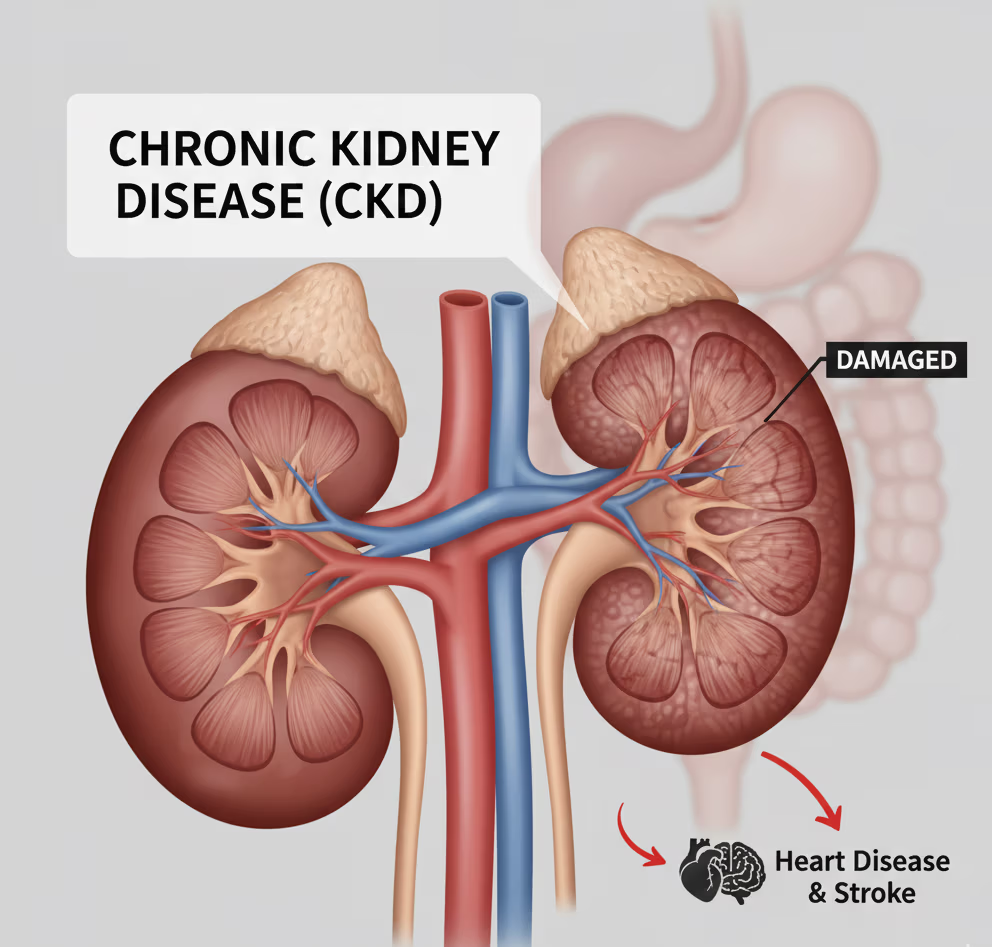
According to the Centers for Disease Control and Prevention (CDC), each of your kidneys is about the size of a computer mouse. Their function is to filter all the blood in your body every 30 minutes. They work hard to remove waste, toxins, and excess fluid. They also help control blood pressure, stimulate red blood cell production, keep bones healthy, and regulate blood chemicals essential for life.
Properly functioning kidneys are fundamental to maintaining good health; however, it is estimated that more than one in seven American adults have Chronic Kidney Disease (CKD).
CKD is a condition in which the kidneys are damaged and cannot filter blood as well as they should. Because of this, excess fluid and waste from the blood remain in the body and can cause other health problems, such as heart disease and stroke.
It is estimated that 15% of U.S. adults have chronic kidney disease—approximately 37 million people.
Other health consequences of CKD include:
-
Anemia (low red blood cell count)
-
Higher incidence of infections
-
Low calcium levels, high potassium levels, and high phosphorus levels in the blood
-
Loss of appetite or eating less
-
Depression or lower quality of life
CKD has different levels of severity. It usually worsens over time, although treatment has been shown to slow its progression. If left untreated, CKD can progress to kidney failure and early cardiovascular disease. When the kidneys stop working, dialysis or a kidney transplant is needed for survival. Kidney failure treated with dialysis or a transplant is called End-Stage Renal Disease (ESRD).
Not all patients with kidney disease progress to kidney failure. To help prevent CKD and reduce the risk of kidney failure, manage your risk factors, get tested annually, make lifestyle changes, take necessary medications, and consult your healthcare team regularly.
CKD by the Numbers
-
Kidney diseases are a leading cause of death in the United States.
-
Approximately 37 million adults in the U.S. are estimated to have CKD, and most are undiagnosed.
-
40% of people with severely reduced kidney function (not on dialysis) are unaware they have CKD.
-
Every 24 hours, 360 people begin dialysis treatment for kidney failure.
-
In the United States, diabetes and high blood pressure are the leading causes of kidney failure, accounting for 3 out of 4 new cases.
Risk Factors
Talk to your doctor about getting tested if you have any of these risk factors:
-
Diabetes
-
High blood pressure
-
Heart disease
-
Family history of CKD
-
Obesity
Symptoms
People with CKD may not feel sick or notice any symptoms. The only way to know for sure if you have CKD is through specific blood and urine tests. These tests include measuring both the creatinine level in the blood and protein in the urine.
Key Facts
-
Kidney diseases are a leading cause of death in the United States.
-
Early CKD has no signs or symptoms.
-
Specific blood and urine tests are required to check for CKD.
-
CKD tends to worsen over time.
-
CKD can be treated (the sooner treatment begins, the better).
-
CKD can progress to kidney failure.
Tips for Keeping Your Kidneys in Good Condition
-
Maintain your blood pressure below 140/90 mm Hg (consult your doctor).
-
If you have diabetes, keep your blood glucose levels within normal ranges as much as possible.
-
Stay physically active to help control blood pressure and blood sugar levels.
-
Maintain a healthy weight.
-
If you are at risk, ask your doctor for periodic CKD testing.
-
If you have CKD, meet with a dietitian to create a kidney-healthy eating plan.
-
Take blood pressure medications exactly as instructed by your doctor.
-
Do not smoke, as smoking can worsen kidney disease and interfere with blood pressure medications.
-
Include a nephrologist in your healthcare team.
Reference: CDC