
Chronic Obstructive Pulmonary Disease (COPD) is a chronic inflammatory lung disease that causes obstructed airflow from the lungs. It is a progressive condition, meaning it typically worsens over time, but it is also highly preventable and treatable.
In Puerto Rico, COPD is a significant health concern, often exacerbated by environmental factors such as high humidity, Sahara dust, and the prevalence of asthma (which can overlap with COPD).
1. What is COPD?
COPD is an umbrella term used to describe a group of lung diseases, the most common being:
-
Emphysema: This condition damages the air sacs (alveoli) in the lungs, making it difficult for the body to absorb oxygen.
-
Chronic Bronchitis: This involves long-term inflammation of the lining of the bronchial tubes, which carry air to and from the air sacs, leading to a persistent cough and mucus production.
2. Common Symptoms
Symptoms often don’t appear until significant lung damage has occurred. They include:
-
Shortness of breath, especially during physical activities.
-
Wheezing or a whistling sound when breathing.
-
Chest tightness.
-
A chronic cough that may produce mucus (sputum) that may be clear, white, yellow, or greenish.
-
Frequent respiratory infections (like colds or the flu).
-
Lack of energy.
3. Primary Causes
-
Smoking: The leading cause of COPD. This includes cigarettes, pipes, cigars, and secondhand smoke.
-
Environmental Exposure: Long-term exposure to air pollution, chemical fumes, or dust from the workplace.
-
Alpha-1 Antitrypsin Deficiency: A rare genetic condition that can cause COPD in people who have never smoked.
4. Diagnosis and Testing
If you suspect you have COPD, a doctor will likely perform:
-
Spirometry: The most common pulmonary function test. You breathe into a large hose connected to a machine to measure how much air your lungs can hold and how fast you can blow it out.
-
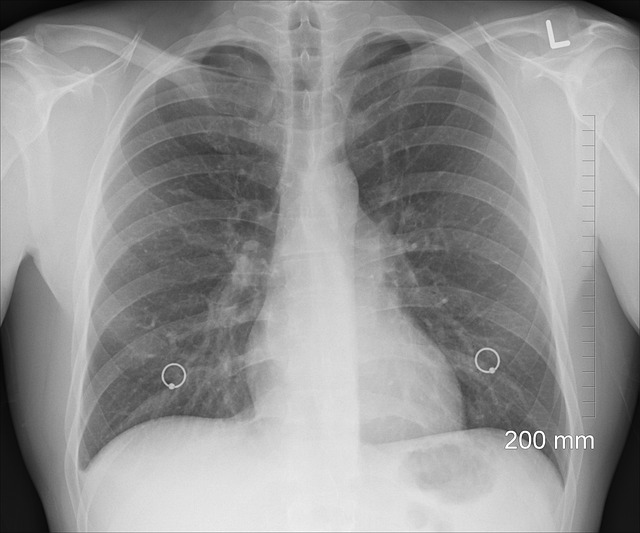
Chest X-ray or CT Scan: To look for emphysema or rule out other lung problems/heart failure.
-
Arterial Blood Gas Analysis: To measure how well your lungs are bringing oxygen into your blood and removing carbon dioxide.
5. Management and Treatment
While there is no cure, the goal of treatment is to manage symptoms and improve quality of life:
-
Smoking Cessation: The most essential step in any treatment plan.
-
Medications: Bronchodilators (inhalers) to relax airway muscles and steroids to reduce inflammation.
-
Oxygen Therapy: For patients with low blood oxygen levels.
-
Pulmonary Rehabilitation: A program that combines exercise, nutrition, and education.
-
Vaccinations: It is critical for COPD patients to stay up to date on Flu, Pneumonia, and COVID-19 vaccines, as respiratory infections can cause “flares” (exacerbations).
Important Note for Patients in Puerto Rico
Due to our tropical climate, patients with COPD should be extra cautious during Sahara Dust events. Staying indoors with air filtration and following your maintenance inhaler regimen is vital during these times.