
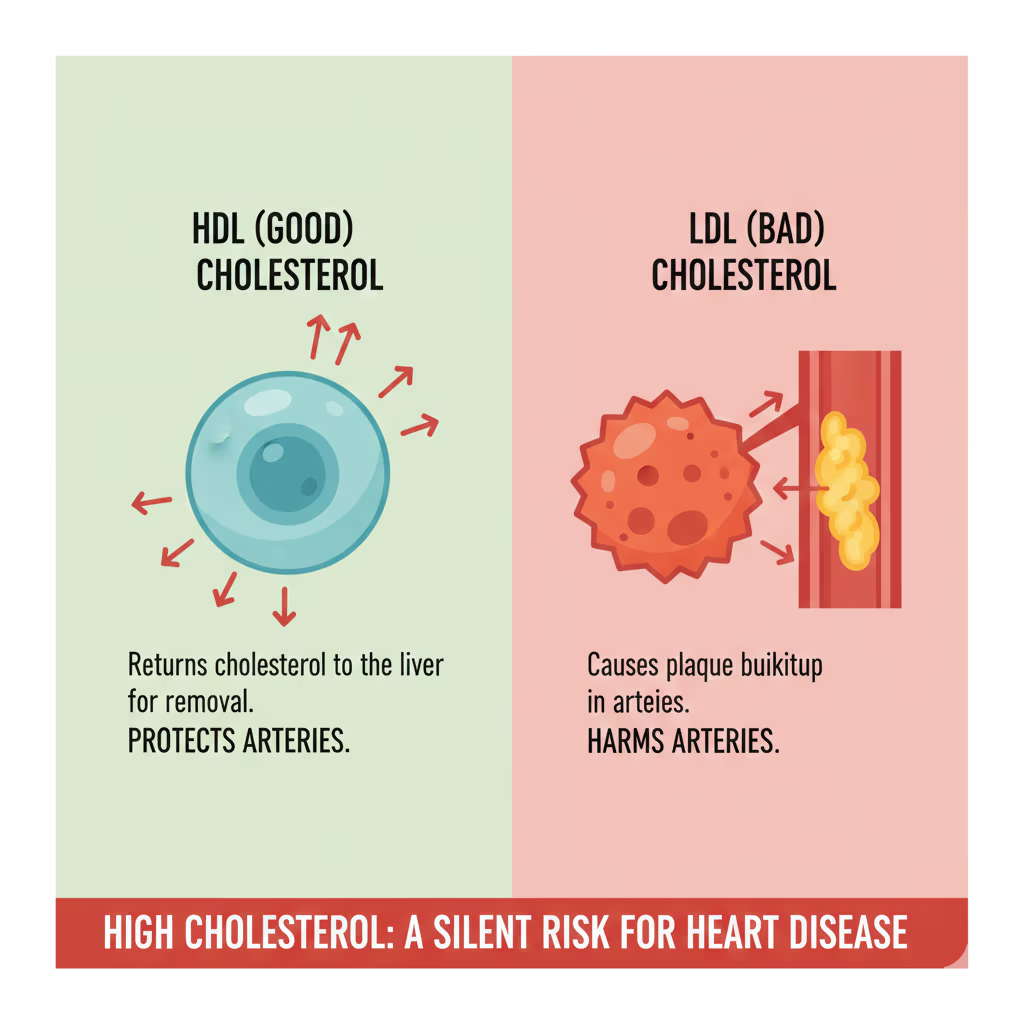
Cholesterol is a waxy, fat-like substance that is found in all the cells of your body. Your body needs some cholesterol to make hormones, Vitamin D, and substances that help you digest foods. However, having too much of it in your blood can lead to serious health issues.
In Puerto Rico, high cholesterol is a primary driver of heart disease, often influenced by a combination of genetics and traditional diets high in saturated fats.
1. The Two Main Types of Cholesterol
Cholesterol travels through the blood in small packages called lipoproteins. It is important to know the difference between the “good” and the “bad”:
-
LDL (Low-Density Lipoprotein): Known as “Bad” cholesterol. High levels of LDL lead to a buildup of plaque in your arteries (atherosclerosis), which can cause heart attacks or strokes.
HDL (High-Density Lipoprotein): Known as “Good” cholesterol. It carries cholesterol from other parts of your body back to your liver, which then removes the cholesterol from your body.
-
Triglycerides: Often measured alongside cholesterol, these are a type of fat in the blood used for energy. High triglycerides combined with high LDL increase your risk for heart disease.
2. Why High Cholesterol is Dangerous
High cholesterol has no symptoms. Most people don’t know they have it until they have a blood test or, worse, a medical emergency.
-
Atherosclerosis: Plaque narrows the arteries and slows down blood flow.
-
Chest Pain (Angina): Caused by reduced blood flow to the heart.
-
Heart Attack: Occurs if a plaque ruptures and forms a clot that blocks blood flow to the heart muscle.
-
Stroke: Occurs if blood flow to part of the brain is blocked.
3. Risk Factors
-
Poor Diet: Eating too much saturated fat (found in animal products) and trans fats (found in processed snacks).
-
Obesity: Having a BMI of 30 or higher.
-
Lack of Exercise: Physical activity helps boost “good” HDL cholesterol.
-
Smoking: Damages the walls of your blood vessels, making them more likely to accumulate fatty deposits.
-
Genetics: Some people inherit a condition called Familial Hypercholesterolemia, which causes high cholesterol despite a healthy lifestyle.
4. Management and Treatment
The goal of treatment is to lower LDL and raise HDL:
-
Heart-Healthy Diet: Focus on high-fiber foods (oats, beans), healthy fats (avocados, olive oil), and lean proteins.
-
Regular Activity: Aim for 30 minutes of cardio most days of the week.
-
Medication: If lifestyle changes aren’t enough, doctors may prescribe statins or other cholesterol-lowering drugs.
-
Regular Screening: A simple blood test called a Lipid Panel is used to check your levels.
Local Insight for CMC Ponce Patients
Traditional Puerto Rican dishes—while a point of pride—often include fried foods (frituras) and heavy fats. We recommend “healthifying” your favorite recipes by air-frying instead of deep-frying and increasing your intake of local fruits and vegetables to add more fiber to your diet.