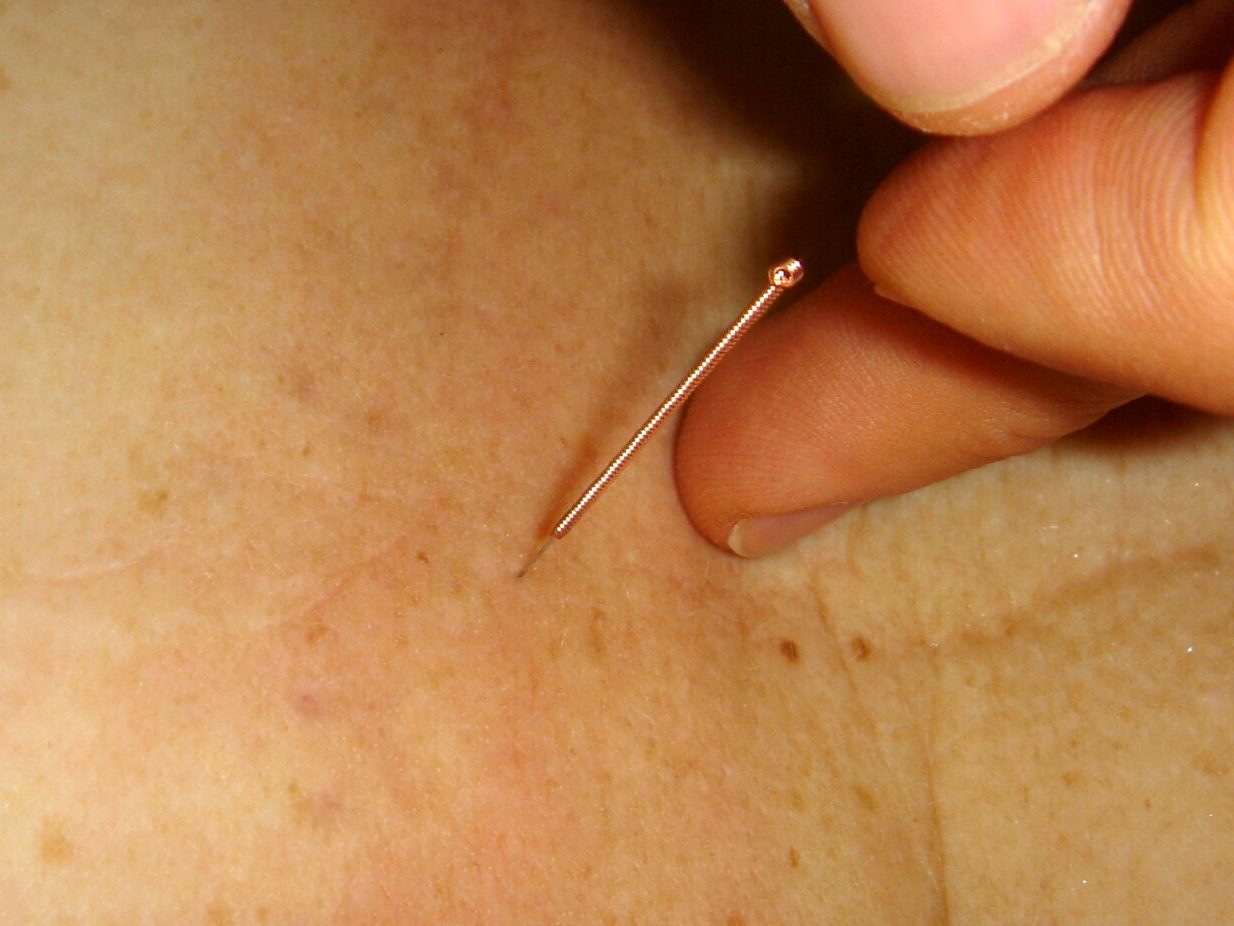
Acupuncture Therapy is a form of traditional Chinese medicine that involves inserting thin needles into specific points on the body. The practice is based on the concept of balancing the body’s vital energy, known as Qi (pronounced “chee”), which flows through pathways called meridians. By stimulating these points, acupuncture aims to restore balance and promote the body’s natural healing processes.
Key aspects of acupuncture therapy include:
- Needles: Thin, sterile needles are inserted into specific points on the body.
- Points and Meridians: These points are located along pathways known as meridians, which correspond to different organs and functions in the body.
- Qi: The underlying principle is to balance the flow of Qi, which is believed to be essential for health and well-being.
- Therapeutic Goals: Acupuncture is used to treat a variety of conditions, including pain, digestive issues, stress, anxiety, and certain chronic illnesses.
- Sessions: Treatment typically involves a series of sessions, with the frequency and duration depending on the individual’s condition and response to therapy.
Modern research has investigated acupuncture’s mechanisms and efficacy, showing some support for its use in pain management and other conditions. However, the exact mechanisms by which acupuncture works are still not fully understood, and it remains a topic of ongoing scientific study and debate.
Acupuncture therapy is associated with a variety of potential benefits, which can vary depending on the individual’s condition and response to treatment. Some of the commonly reported benefits include:
- Pain Relief: Acupuncture is widely used for pain management, including chronic pain, migraines, arthritis, and post-surgical pain.
- Stress and Anxiety Reduction: Many people find that acupuncture helps reduce stress and anxiety, promoting relaxation and emotional well-being.
- Improved Sleep: Acupuncture can help address sleep disorders such as insomnia by promoting relaxation and regulating the body’s internal clock.
- Digestive Health: It may help with digestive issues like irritable bowel syndrome (IBS), constipation, and nausea.
- Enhanced Immune Function: Some studies suggest that acupuncture can boost the immune system and help prevent illness.
- Allergy Relief: Acupuncture is sometimes used to alleviate symptoms of allergies and hay fever.
- Hormonal Balance: It can help regulate hormones, which can be beneficial for conditions like PMS, menopause symptoms, and infertility.
- Improved Mental Clarity and Energy: Many patients report feeling more energized and mentally clear after acupuncture sessions.
- Support During Cancer Treatment: Acupuncture can help alleviate side effects of cancer treatments, such as nausea, pain, and fatigue.
- Respiratory Health: It may aid in treating respiratory conditions such as asthma and bronchitis.
While acupuncture has shown effectiveness for many people, results can vary, and it may not work for everyone. It’s often used as a complementary therapy alongside conventional medical treatments. As always, it’s important to consult with a healthcare professional before starting any new treatment.
Embrace a holistic approach to wellness and discover the transformative power of vitamin infusion therapy and acupuncture.
At Ponce Medical Acupuncture and Intravenous Therapy, we are here to serve you.
Call for an appointment at 939-222-2554 or 787-284-6261, Monday through Thursday from 8:00 am to 2:00 pm and Saturdays from 10:00 am to 2:00 pm. Dr. Antonio González Sotomayor will gladly guide you on the day of your appointment.