
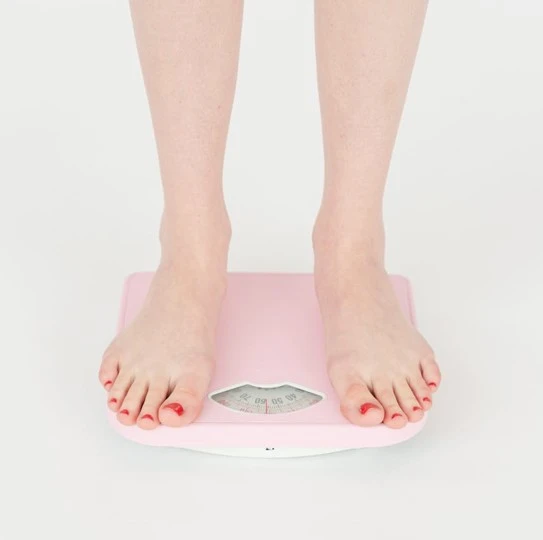
Weight control refers to the process of managing body weight within a healthy range through various methods and strategies. It involves maintaining a balance between energy intake (calories consumed through food and beverages) and energy expenditure (calories burned through physical activity and metabolism). The goal of weight control is to achieve and sustain a healthy body weight that promotes overall well-being and reduces the risk of obesity-related health conditions.
Key Aspects of Weight Control:
-
Healthy Eating Habits:
- Balanced Diet: Consuming a variety of nutrient-dense foods, including fruits, vegetables, whole grains, lean proteins, and healthy fats.
- Portion Control: Monitoring portion sizes to avoid overeating and manage calorie intake.
- Limiting Sugary and High-Calorie Foods: Reducing consumption of sugary beverages, fast food, and processed snacks.
-
Physical Activity:
- Regular Exercise: Engaging in aerobic activities (like walking, jogging, swimming) and strength training exercises to burn calories, build muscle, and improve overall fitness.
- Daily Movement: Incorporating physical activity into daily routines, such as taking the stairs instead of the elevator or walking instead of driving short distances.
-
Behavioral Changes:
- Self-Monitoring: Keeping track of food intake, physical activity, and weight changes to identify patterns and progress.
- Goal-Setting: Establishing realistic goals for weight loss or maintenance and developing strategies to achieve them.
- Stress Management: Managing stress through relaxation techniques, mindfulness, or activities that promote mental well-being.
-
Medical Support:
- Consulting Healthcare Professionals: Seeking guidance from dietitians, physicians, or weight management specialists to develop personalized plans.
- Medications: In some cases, prescription medications approved for weight loss may be recommended under medical supervision.
- Surgical Options: Bariatric surgery may be considered for individuals with severe obesity or obesity-related health conditions when other methods have not been effective.
-
Lifestyle Factors:
- Sleep: Getting an adequate amount of quality sleep, as poor sleep patterns can affect hormones that regulate appetite and metabolism.
- Hydration: Drinking enough water throughout the day to support metabolism and overall health.
-
Support and Accountability:
- Support Groups: Participating in support groups, online communities, or counseling sessions to share experiences, receive encouragement, and stay motivated.
- Family and Friends: Involving loved ones in the journey to provide support, encouragement, and accountability.
Importance of Weight Control:
Maintaining a healthy weight is crucial for overall health and well-being. Excess weight, especially obesity, is associated with increased risks of chronic conditions such as heart disease, type 2 diabetes, hypertension, stroke, certain cancers, and musculoskeletal disorders. By adopting healthy habits and strategies for weight control, individuals can improve their quality of life, reduce health risks, and enhance long-term health outcomes
Weight-control infusions, also known as weight-loss infusions or slimming infusions, are medical treatments that involve administering a mixture of substances directly into the bloodstream, typically through an intravenous (IV) line or subcutaneous injections, with the aim of promoting weight loss or weight management.
These infusions are designed to provide a concentrated dose of ingredients that may influence various aspects of weight control, such as metabolism, appetite, blood sugar regulation, and energy levels. While some people may report positive experiences with weight-control infusions, it is important to approach this treatment with realistic expectations and a comprehensive understanding of its potential benefits and limitations.
Potential benefits of weight-control infusions:
-
Metabolism stimulation: Some weight-control infusions contain ingredients like green tea or oolong tea, which have been shown to temporarily increase metabolic rate, potentially leading to increased calorie burning.
-
Appetite suppression: Certain herbs and spices used in weight-control infusions, such as ginger or cinnamon, may help reduce appetite and cravings, potentially leading to lower food intake.
-
Blood sugar regulation: Some infusions may help stabilize blood sugar levels, which can reduce insulin spikes and help prevent cravings for carbohydrate-rich foods.
-
Energy boost: Some weight-control infusions contain ingredients that may provide an energy boost, which could be beneficial for increasing physical activity and burning more calories.
-
Digestive improvement: Some herbs used in weight-control infusions, such as mint or dandelion, may help improve digestion and prevent bloating and stomach discomfort.
Considerations for weight-control infusions:
-
Not a magic bullet: Weight-control infusions alone are not a magic bullet for weight loss. Maintaining a balanced diet and engaging in regular exercise are crucial for achieving and maintaining a healthy weight.
-
Medical supervision: It is essential to consult with a healthcare professional before starting any weight-control regimen, including regular consumption of weight-control infusions. This is especially important if you have pre-existing medical conditions or are taking other medications.
-
Limited scientific evidence: While some studies suggest potential benefits of certain ingredients used in weight-control infusions, the overall body of scientific evidence supporting their effectiveness for weight loss is limited.
-
Potential side effects: Like any medical treatment, weight-control infusions may have potential side effects, which should be discussed with a healthcare provider.
-
Individualized assessment: The composition and dosage of weight-control infusions should be tailored to the individual’s specific needs and health status.
Weight control therapy encompasses various approaches aimed at helping individuals achieve and maintain a healthy weight. These therapies can be broadly categorized into behavioral, psychological, medical, and surgical interventions, depending on the individual’s needs and circumstances. Here are some common therapies for weight control:
-
Behavioral Therapy:
- Behavioral Modification: Focuses on changing eating and exercise habits through goal-setting, self-monitoring, and stimulus control (e.g., reducing exposure to food cues).
- Cognitive Behavioral Therapy (CBT): Addresses the psychological factors influencing eating behaviors, such as emotional eating or unhealthy food choices.
-
Dietary Counseling:
- Nutritional Guidance: Working with a registered dietitian or nutritionist to develop a balanced meal plan that promotes weight loss or maintenance.
- Calorie Restriction: Structured plans that reduce calorie intake while ensuring nutritional adequacy.
-
Physical Activity Programs:
- Exercise Prescription: Tailored exercise programs that include aerobic exercise, strength training, and flexibility exercises to support weight loss and improve fitness.
- Behavioral Strategies: Incorporating physical activity into daily routines and overcoming barriers to exercise.
-
Medical Interventions:
- Medications: Prescription medications approved for weight loss, such as orlistat, phentermine-topiramate, and liraglutide, which work by suppressing appetite or reducing fat absorption.
- Injectable and Intravenous Therapies:
- Lipo-B Injections: Contain B vitamins (e.g., B12, B6) and other nutrients to boost metabolism and energy levels.
- MIC Injections (Methionine, Inositol, Choline): Promote fat mobilization and elimination, aiding in weight loss.
- IV Nutrient Therapy: Infusions of vitamins, minerals, and antioxidants to support metabolism and overall health during weight management.
- IV Lipotropics: Infusions containing lipotropic nutrients like choline, inositol, and methionine to enhance fat metabolism.
-
Surgical Options:
- Bariatric Surgery: Procedures such as gastric bypass, sleeve gastrectomy, and gastric banding that restrict stomach size or reduce nutrient absorption, often recommended for individuals with severe obesity or obesity-related health problems.
-
Behavioral Changes:
- Self-Monitoring: Keeping track of food intake, physical activity, and weight changes to identify patterns and progress.
- Goal-Setting: Establishing realistic goals for weight loss or maintenance and developing strategies to achieve them.
- Stress Management: Managing stress through relaxation techniques, mindfulness, or activities that promote mental well-being.
Effective weight control therapy involves a personalized approach tailored to individual needs, health status, and preferences. Combining multiple strategies, such as dietary changes, increased physical activity, behavioral modifications, and medical interventions when necessary, can enhance success in achieving and maintaining a healthy weight. Working with healthcare professionals, including dietitians, therapists, physicians, and weight management specialists, ensures a comprehensive and supportive approach to weight management.
At Ponce Medical Acupuncture and Intravenous Therapy, we are here to serve you.
Call for an appointment at 939-222-2554 or 787-284-6261, Monday through Thursday from 8:00 am to 2:00 pm and Saturdays from 10:00 am to 2:00 pm. Dr. Antonio González Sotomayor will gladly guide you on the day of your appointment